
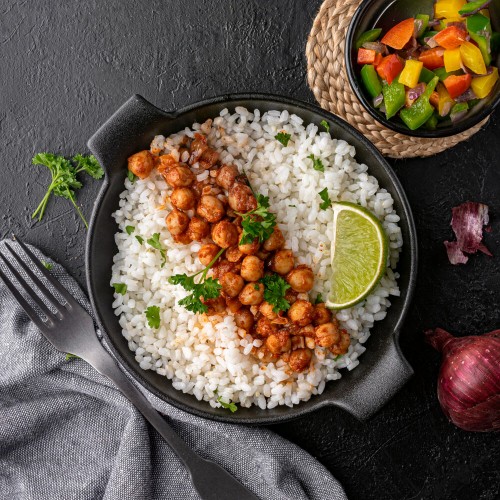
In todays fast-paced world, ordering food or grabbing a quick meal on the go has become part of everyday life. While these options offer convenience, they often come at the expense of nutrition and long-term health. Home-cooked meals, on the other hand, provide much more than just nourishment—they offer a healthier, more mindful way of eating that benefits both your body and your overall well-being.
1. Better Control Over Ingredients
One of the greatest advantages of cooking at home is knowing exactly what goes into your food. You can choose fresh vegetables, lean proteins, whole grains, and healthy fats while limiting excess salt, sugar, and unhealthy oils. Unlike many restaurant meals and processed foods, home-cooked dishes allow you to prioritize quality ingredients without hidden additives or preservatives.
Restaurant servings are often much larger than what most people need. Preparing meals at home makes it easier to serve appropriate portions and avoid overeating. This simple habit can help maintain a healthy weight and support long-term wellness without feeling deprived.
Freshly prepared meals typically retain more nutrients than highly processed or packaged foods. By including a variety of colorful fruits and vegetables, whole grains, legumes, and lean proteins, you can create balanced meals rich in essential vitamins, minerals, fiber, and antioxidants that support overall health.
Many ready-to-eat meals contain preservatives, artificial flavors, excess sodium, and unhealthy fats to extend shelf life and enhance taste. Home cooking naturally reduces your dependence on these processed options, helping you consume more wholesome, nutrient-dense foods.
Preparing meals at home allows you to make heart-friendly choices, such as using healthier cooking oils, reducing saturated fat, and increasing fiber-rich ingredients. Diets centered around home-cooked meals can contribute to healthier cholesterol levels, better blood pressure management, and a lower risk of cardiovascular disease.
Cooking at home gives you the freedom to reduce added sugars and refine your carbohydrate choices. Pairing complex carbohydrates with protein and healthy fats helps stabilize blood sugar levels, providing steady energy throughout the day and supporting metabolic health.
When you prepare your own meals, you're often more connected to the food you're eating. Taking time to cook and enjoy a meal encourages slower eating, greater appreciation for ingredients, and better recognition of hunger and fullness cues. Mindful eating can improve digestion and reduce unnecessary snacking.
Sharing home-cooked meals brings families together and creates opportunities for conversation and connection. Regular family meals have been linked to healthier eating habits in children, stronger relationships, and positive emotional well-being for everyone at the table.
Cooking can be a relaxing and creative activity that offers a welcome break from daily stress. Planning, preparing, and enjoying a homemade meal can provide a sense of accomplishment while promoting mindfulness and reducing feelings of anxiety.
Learning to cook is a valuable life skill that encourages healthier choices for years to come. Children who grow up eating and helping prepare home-cooked meals are more likely to develop balanced eating habits, explore a wider variety of foods, and carry those habits into adulthood.
If you're looking to make home cooking part of your routine, start small:
Plan your meals for the week.
Keep your pantry stocked with healthy staples.
Prepare ingredients in advance for busy days.
Cook larger portions and freeze leftovers.
Try one new healthy recipe each week.
Small, consistent changes can make home cooking easier and more enjoyable over time.
Home-cooked meals offer benefits that go far beyond saving money or satisfying hunger. They give you greater control over nutrition, support physical and mental health, encourage mindful eating, and strengthen relationships around the dinner table. Whether you're preparing a simple breakfast or a family dinner, every homemade meal is an investment in your long-term health and well-being.
Choosing to cook at home more often doesn't require perfection—it simply starts with fresh ingredients, a little planning, and the desire to nourish yourself and the people you care about.